
Collagen alpha-1 (XVII) Chain ELISA: Extended Technical Monograph, Molecular Framework, Analytical Validation, and Research Applications
Collagen alpha-1 (XVII) chain (COL17A1) is a structurally critical type II transmembrane collagen essential for epidermal–dermal cohesion and hemidesmosome architecture at the basement membrane. As a core component of epithelial adhesion complexes, COL17A1 undergoes dynamic biosynthesis, proteolytic processing, glycosylation, ectodomain shedding, and extracellular matrix (ECM) integration.
Because these biochemical events produce soluble COL17A1 fragments, a Collagen alpha-1 (XVII) chain ELISA is indispensable for quantifying its levels in cell culture supernatants, tissue extracts, and biological fluids.
This extended technical monograph presents a deep molecular analysis of COL17A1, followed by an exhaustive description of ELISA technology, analytical performance requirements, biophysical detection principles, sample-type optimization, mechanobiological research utility, and advanced assay validation strategies.
![AffiELISA® Mouse Collagen alpha-1 (XVII) chain ELISA [ Col17a1]](https://affigen.com/cdn/shop/files/5BAFG-E4345_5D_20AffiELISA_C2_AE_20Cattle_20IFNg_20Kit_20High-Resolution_20Interferon_20Gamma_20ELISA_20Detection_ae739dfc-9510-4266-bd90-0478bf57c12e_535x.png?v=1712837468)
Comprehensive Molecular Biology of Collagen XVII (COL17A1)
Gene and transcription regulation
The COL17A1 gene is located on human chromosome 10q24.3 and encodes a ~1497-amino-acid polypeptide.
Transcription is regulated by:
-
SP1/3 family transcription factors
-
KLF family regulatory proteins
-
Epigenetic modifications (methylation at CpG islands near promoter)
-
UV or ROS-responsive transcriptional programs
-
Differentiation-dependent keratinocyte gene networks
Expression is highest in:
-
Basal keratinocytes
-
Oral mucosa
-
Corneal epithelial cells
-
Certain glandular epithelium types
Structural Biology of Collagen XVII
COL17A1 is structurally unique among collagens due to its type II transmembrane topology.
Domain architecture
The protein contains:
-
Intracellular N-terminal domain (~25 kDa) with hemidesmosome-anchoring motifs
-
Transmembrane helix
-
Extracellular C-terminal ectodomain (~120 kDa) containing:
-
15 collagenous domains (COL1–COL15)
-
16 non-collagenous (NC1–NC16) domains
-
The functionally critical NC16A domain (primary autoantigenic region)
-
Post-translational modifications
COL17A1 undergoes:
-
Extensive O-linked glycosylation
-
Proline hydroxylation in collagenous regions
-
Proteolytic cleavage by:
-
ADAM10, ADAM17
-
MMP-2, MMP-9
-
Sheddases activated during inflammation, UV exposure, or oxidative stress
-
These events produce soluble COL17A1 ectodomains measurable by ELISA.

Biological Function and Cellular Context
Hemidesmosome architecture
COL17A1 interacts with:
-
Integrin α6β4
-
BP230 (dystonin)
-
BP180 complex proteins
-
Laminin-332 (laminin-5)
-
Type VII collagen anchoring fibrils
Together they establish basement membrane adhesion and withstand mechanical stress.
Role in epithelial mechanobiology
Measuring COL17A1 informs studies on:
-
Adhesion force regulation
-
ECM anchorage strength
-
Cytoskeletal tension distribution
-
Polarity establishment and stability
-
Tissue architecture remodeling
Proteolytic shedding and signaling
Soluble ectodomain fragments:
-
Reflect hemidesmosome turnover
-
Indicate ECM remodeling
-
Serve as biomarkers for epithelial integrity
-
May participate in cell–ECM signaling loops
Collagen alpha-1 (XVII) chain ELISA: Engineering and Immunochemistry
Assay design
The ELISA is usually a sandwich format using:
-
Capture antibody: binds specific epitope (often NC16A or adjacent regions)
-
Detection antibody: non-overlapping epitope for high specificity
-
HRP–streptavidin conjugate for signal amplification
-
TMB chromogenic substrate
Key immunochemical considerations
-
Epitope stability: NC domains remain partially structured even after mild denaturation
-
Cross-reactivity avoidance: monoclonal antibodies must not bind other basement membrane collagens
-
Linear vs conformational epitope selection: some ELISAs detect only native or partially folded domains
Analytical Performance (Deep Technical Section)
Dynamic range
High-performance kits achieve:
-
LOD: 8–30 pg/mL
-
LOQ: 25–60 pg/mL
-
Working range: 0.05–2 ng/mL or more
Precision and reproducibility
-
Intra-assay CV: <8%
-
Inter-assay CV: <12%
-
Lot-to-lot drift: <10% recommended
Matrix compatibility testing
Platform validation includes:
-
Serum vs plasma comparison
-
Effects of anticoagulants (EDTA, heparin, citrate)
-
Evaluation of cell culture medium components (FBS, B27, recombinant proteins)
-
High protein or lipid interference
-
Hemolysis and lipemia tolerance
Linearity and dilutional parallelism
Testing ensures that sample dilution curves run parallel to the standard curve, indicating:
-
No matrix-derived inhibition
-
Proper epitope accessibility
Sample Handling (Advanced Considerations)
Biological matrices
Compatible with:
-
Human serum
-
EDTA or heparin plasma
-
Conditioned cell culture media
-
ECM extracts from tissues
-
Keratinocyte monolayer lysates
-
Engineered tissue constructs
Pre-analytical variables
-
Freeze–thaw limits: <3 recommended
-
Sample clarification: 10,000 × g centrifugation
-
Protease inhibitors: important for tissue samples to prevent ex vivo shedding
-
Storage: -80°C for long-term stability

Mechanistic Research Applications
Basement membrane integrity and ECM remodeling
Quantification of COL17A1 provides insight into:
-
ECM assembly dynamics
-
Protease-driven degradation
-
Adhesive strength changes
-
Tissue barrier integrity
Cell differentiation and epithelial stratification
COL17A1 ELISA supports:
-
Air–liquid interface models
-
3D skin equivalents
-
Organoid differentiation monitoring
Mechanobiology and cell migration
Measuring COL17A1 correlates with:
-
Cell traction forces
-
Adhesion area growth
-
Focal adhesion turnover
-
Wound-healing migration dynamics
Protease pathway analysis
-
ADAM10/17 activation
-
MMP-2/9 dependent cleavage
-
Oxidative stress–induced shedding pathways
Advanced Assay Optimization (Expert Level)
Standard curve optimization
Use:
-
4-PL or 5-PL curve fitting
-
Duplicate or triplicate standards
-
Reagent blank subtraction
High-sensitivity mode
Extended substrate incubation can achieve:
-
Enhanced signal for low-abundance samples
-
Increased limit of detection
-
Must ensure no background drift
Automation compatibility
ELISA can be adapted to:
-
Robotic liquid handlers
-
Semi-automated microplate washers
-
Automated ELISA processors
Quality Control and Validation Framework
To validate a new COL17A1 ELISA:
-
Precision / repeatability
-
Intermediate precision
-
Recovery (80–120%)
-
Parallelism tests
-
Spike–in experiments
-
Reference material cross-checks
-
Inter-instrument reproducibilit
Conclusion
The Collagen alpha-1 (XVII) chain ELISA is a sophisticated analytical tool capable of quantifying structural ECM proteins and their biologically meaningful fragments with high precision.
Its integration into epithelial biology, mechanobiology, basement membrane research, cell-adhesion analysis, and tissue engineering workflows makes it an essential assay for any laboratory studying structural proteins, ECM remodeling, and epithelial integrity.
With optimized sensitivity, broad matrix compatibility, and robust performance characteristics, it provides researchers with a reliable quantitative platform for understanding COL17A1 biology at molecular, cellular, and tissue scales.
This article integrates a comprehensive set of SEO-optimized keywords:
-
Collagen alpha-1 (XVII) chain ELISA
-
COL17A1 quantification
-
Type XVII collagen ELISA assay
-
Hemidesmosome biomarker detection
-
Basement membrane integrity assay
-
ECM remodeling quantification
-
Collagen XVII ectodomain shedding
-
Keratinocyte adhesion biomarker
-
Extracellular matrix collagen detection
-
High-sensitivity COL17A1 ELISA kit

17α-hydroxylase
Highly specific anti-estradiol antibodies: structural characterisation and binding diversity.
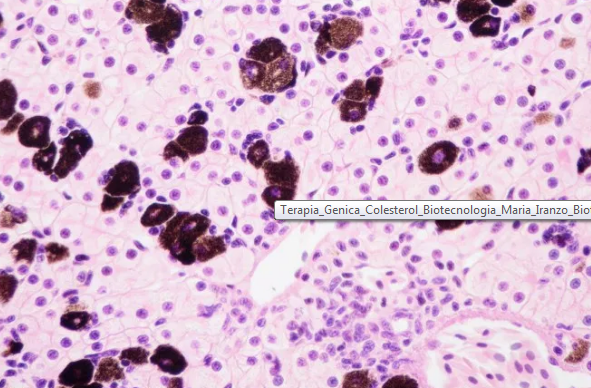
Gene therapy to lower cholesterol
About Author
